
Tales From Spring Training, Vol. 2
August 28, 1945
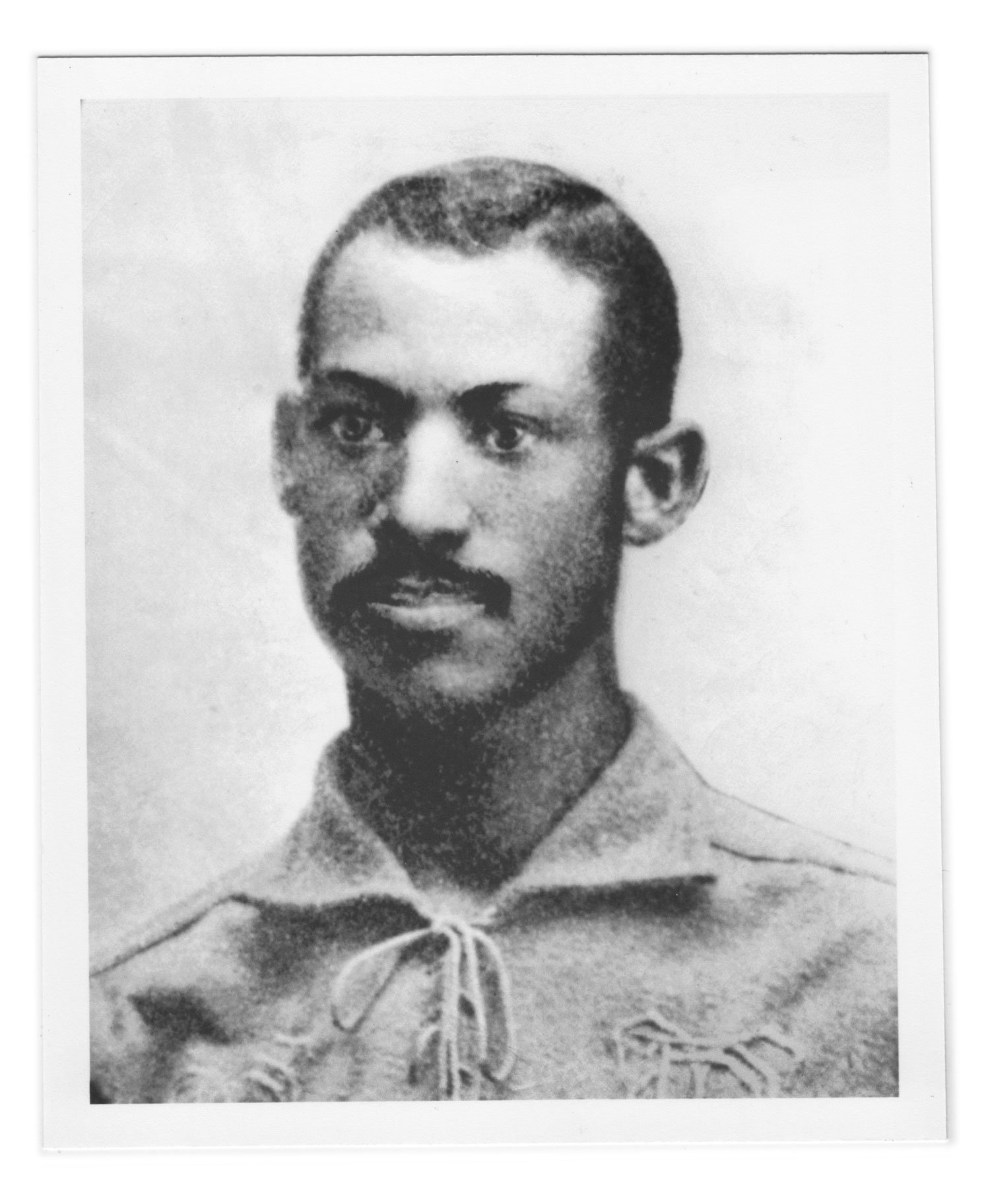
This is the date that Jackie Robinson signed a contract to play for the Brooklyn Dodgers. In April of 1947, he saw his first major league action and officially broke baseball’s decades old color barrier. However, the notion of Robinson being the first ever black player to suit up alongside whites is a bit misleading. In the pre-Civil War days, many African Americans in the north played the sport as members of integrated teams. Opportunities like this continued for black players as our country moved past the war and into the era of professional payment. Until the mid-1880s, numerous skilled sportsmen of African descent played pivotal roles on major league baseball teams. Examples of these players include the Providence Grays’ Sandy Nava, Buffalo’s talented batting champion, Frank Grant, Oberlin and University of Michigan grad “Fleet” Walker, and his younger brother Welday. All of the aforementioned players, though, had their careers forever affected as the 1880s rolled on.
At this stage, I would like you to answer a true or false question for me. Ready? Ok.
True or False: There was a clear cut and defined rule in the policies of professional baseball leagues that explicitly banned black players from playing on the same team as whites.
If you answered “True”, then you have fallen into another common misconception. The reality is this: There was never any official policy barring blacks from playing integrated baseball at any point in time in the United States of America. Instead, a series of “gentlemen’s agreements” served to keep them away from white baseball teams. The first of the informal accords came in 1884 and the next took place three years later in 1887.
As part of these “understandings”, owners in both the National League and American Association (the two major professional baseball leagues at the time) agreed to not sign any African-Americans no matter what the circumstances of their team may be. Thus, the color barrier was born and remained in effect for the next six decades. However, what if the proverbial fence was broken sooner? What if only 17 years after the first “gentleman’s agreement” was made, a black player existed in the newly formed American League? What if the color barrier was shattered…in 1901? Enter the story of Charlie Grant, the man who nearly suited up next to white players 46 years before Jackie Robinson did.
Hot Springs, Arkansas
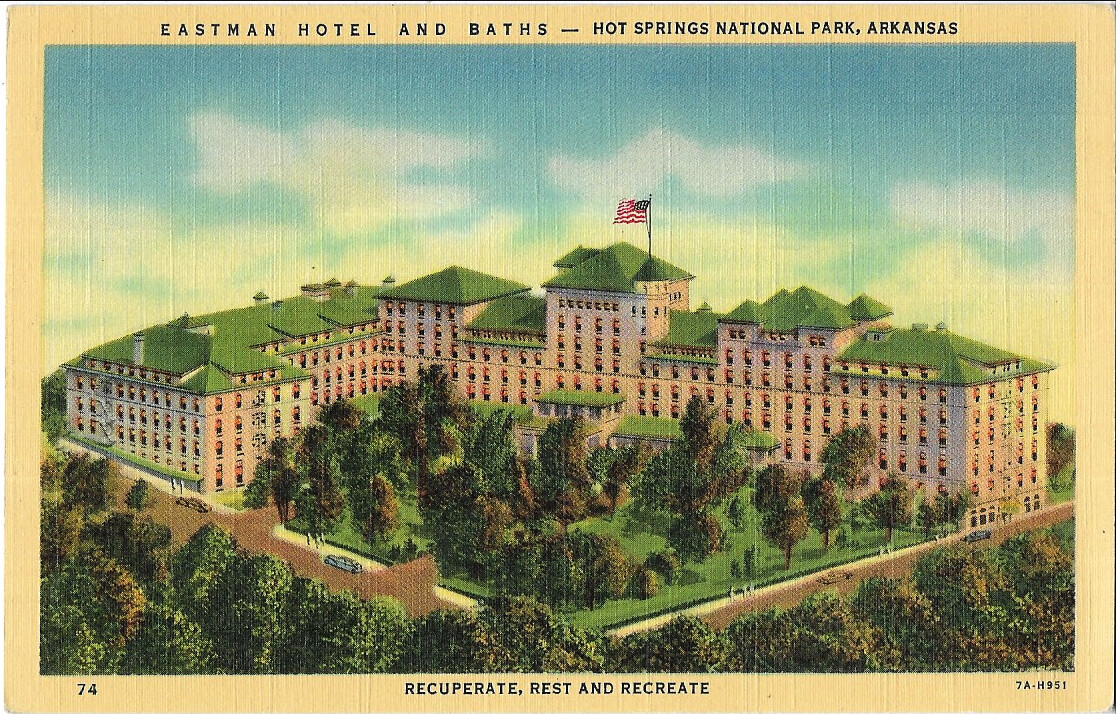
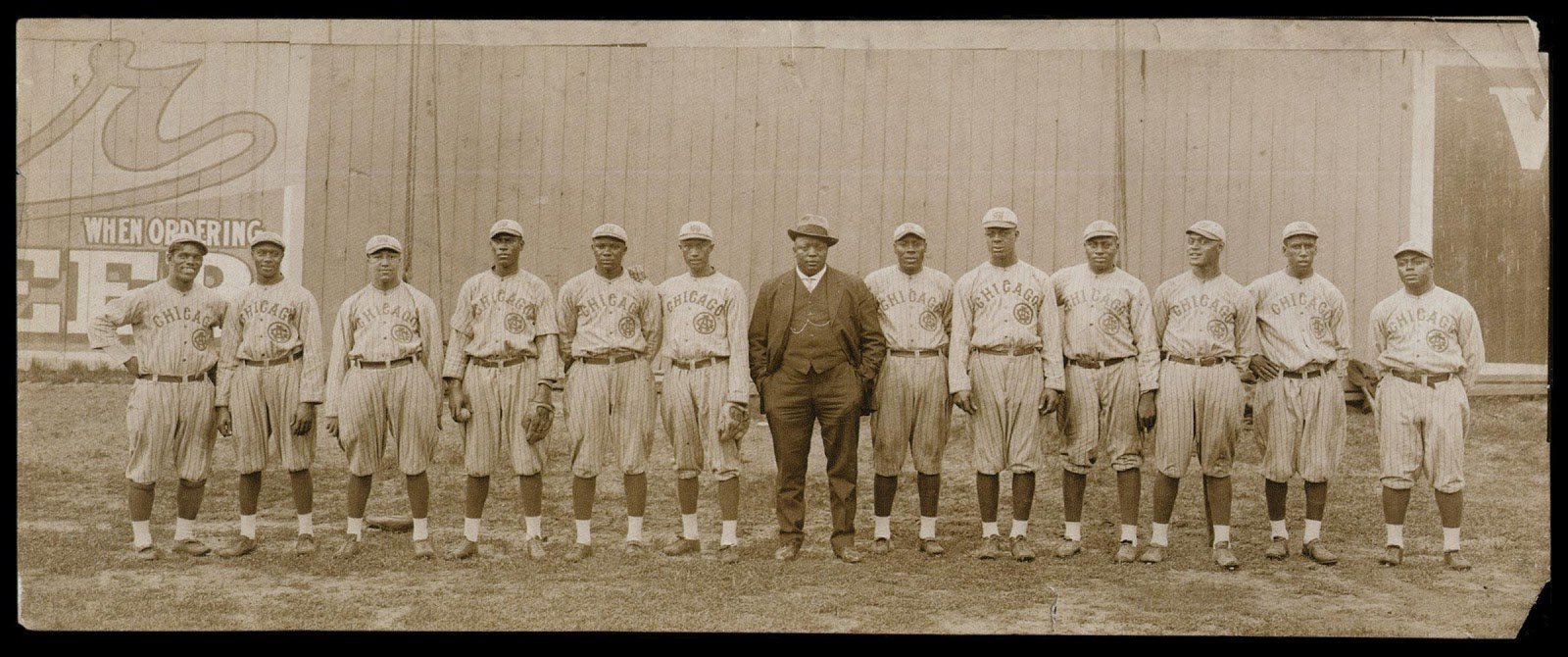
Long before the Grapefruit and Cactus Leagues, this was a very common spot for MLB teams to train as they waited for their cities in the north to thaw out. It was here where the Baltimore Orioles were scheduled to begin their camp in 1901. As such, Orioles’ manager and part-owner, John McGraw arrived in late February to prepare for the impending appearance of the rest of the team. He checked into the famous Eastman Hotel and enjoyed the many amenities that Hot Springs had to offer. Now, it was common for black baseball players who played in the segregated Negro Leagues to also find winter jobs in the Hot Springs area. Just such a player happened to be working as a bellhop at the Eastman, and his name was Charlie Grant. The Cincinnati native had been a very accomplished player in the Negro Major Leagues and had been playing professional baseball since the early 1890s.
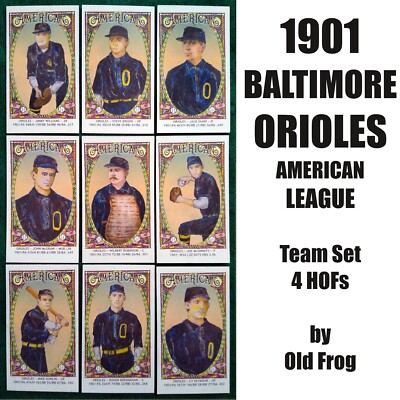
He was a second baseman who possessed an important combination of speed and range and was currently lining up for the Columbia Giants, a team from Chicago. That spring, McGraw seemed very confident that the Orioles would field a great team in 1901. It was the American League’s inaugural season, and the upstart club from Baltimore had high hopes as to how their season would turn out. After all, they had a combination of very experienced players and a bunch of young bucks who would go on to future stardom. These players included forgotten names such as Roger Bresnahan, Wilbert Robinson, Cy Seymour, and the very popular “Turkey Mike” Donlin. There was just one glaring weakness in the Orioles’ roster. They needed a legitimate second baseman. Fortunately for McGraw, one was waiting right in the lobby of the Eastman…….
The Tryout
This is where a man by the name of Dave Wyatt comes in. In fact, history only knows this incredible story because of the detailed account he gave of it. Wyatt was a former Negro League player in his own right, that had recently launched his second career as a sportswriter. He, like McGraw, was a fellow guest at the Eastman in the early Spring of 1901. Wyatt had played against Grant and knew him very well. Acting as the second baseman’s pseudo-agent, he approached McGraw and invited the Oriole manager to a hotel league game (yes, those existed back then) that Grant was playing in. During the contest, McGraw was so impressed by the second sacker’s hitting and fielding prowess that he immediately offered him a tryout.
The audition consisted of three total people. Grant, McGraw, and Chicago White Sox manager Clark Griffith, who was there as a favor to McGraw. The Chi-Town skipper was no civil rights advocate, but he did attend more Negro League games than any other white player in history and may have even known Grant before 1901. After the evaluation of his talent was over, it was crystal clear that Grant was more than on the level of any current Oriole and McGraw knew that he was the second baseman the team needed. He was prepared to sign the talented bellhop on the spot. However, there was just one problem: What would the other American League owners think if the Orioles signed a black man? Would this even be allowed? What would be the repercussions? Dave Wyatt was back in the fold and came to the rescue with a very ummmm…. interesting, solution.
Chief Tokohoma
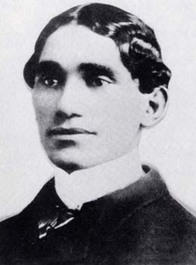
That was the disguise that Wyatt suggested Grant go by in order to allow the Orioles passage to sign him. Grant was light-skinned (and had a good amount of white ancestry), so this plan to pass him off as half-Cherokee wasn’t so far fetched. After all, there were many Native Americans living in Arkansas at the time. In addition, a darker-skinned player named George Treadway claimed American Indian ancestry and was allowed to play in the National League until he retired in 1896. This was the way Grant was introduced to his future Oriole teammates who arrived in Hot Springs in early March. However, many Baltimore players were not fooled by Wyatt and McGraw’s charade. Some recognized Grant from exhibition games they played against the Columbia Giants, others had seen him in these spring training resort towns before. As it turned out, Oriole infielder George Rohe actually grew up with Grant in Cincinnati and knew him from childhood.
Once they saw “Chief Tokohoma” field baseballs, though, there was no denying that he would instantly make their team better. As such, the players agreed to keep up the ruse and, in mid-March, it was reported that the Orioles had signed the fake Cherokee from Arkansas. Under his alias, Grant seemed a shoo-in to not only make the team, but also be their opening day second baseman. The Negro League star would be able to play alongside men of a different skin color. After 17 years, a professional baseball team would finally be integrated again, albeit because of a lie. Unfortunately, we already know that this did not come to pass, so let’s look at where things went wrong and how the “chiefs’” true identity was revealed.
The Truth Surfaces in Chicago
After their training in Hot Springs was complete, the Orioles moved north to play several exhibition games in Chicago before the regular season began. As we have already discussed, the “Windy City” knew Charlie Grant well, as that was where he played his Negro League baseball. As the Orioles arrived in the city, some rumors started making their rounds that “Chief Tokohoma” was not who he said he was, and that he was actually black baseball player Charlie Grant. McGraw tried shutting down these whispers by insisting that Chicagoans were confusing him with the aforementioned batting star Frank Grant. However, what really killed the disguise was the fact that some of the “chiefs’” friends in the city threw a not-so inconspicuous party to honor him.
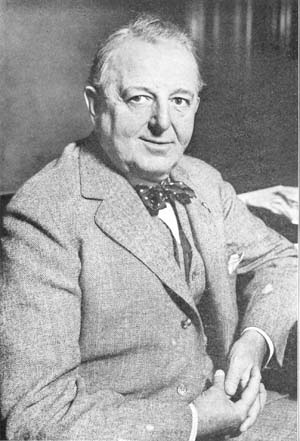
Chicago White Sox owner Charles Comiskey learned of this information and contacted McGraw himself. Comiskey always insisted that he didn’t have a problem with the color of Grant’s skin. Instead, he simply didn’t want to see his (sort of) friend John McGraw get a lengthy suspension as punishment from the newly formed American League. Realizing the ploy had come to an end, McGraw decided to release Grant. To his dying day, the Oriole manager never admitted Grant’s true identity. Rather, he stated the reason for his departure was that he didn’t have enough skill to play consistently in the big leagues. Nevertheless, Charlie Grant’s opportunity to play in the majors had died almost overnight, and it would be another four and a half decades before a black player took the field with white teammates.
Aftermath
As things turned out, 1901 was the second to last season of this edition of the Baltimore Orioles. In 1903, the team was sold, and the new owners took off for Manhattan to become the New York Highlanders and, later, the Yankees. John McGraw also took off for the “Big Apple” and was named manager of the New York Giants, a role he would hold for the next thirty years. With the Giants, McGraw won nine pennants, three World Series, and was a first ballot hall of famer. According to legend, he continued to lobby American League president Ban Johnson to integrate until his final day with the Orioles, and kept a notebook of all the black players he would sign if the color barrier was broken for the rest of his career.
Clark Griffith went on to own and manage the Washington Senators and was one of the first white owners to allow a Negro League team, the Homestead Grays, to play their home games at a ballpark he owned (rent was very lucrative). As for Grant, himself, he simply went back to playing for the Columbia Giants and continued to play segregated baseball until his retirement in 1916, never again having another opportunity to play in the MLB. Tragically, he was struck and killed in 1932 when a car’s tire blew out, causing it to divert onto the Cincinnati sidewalk that he was standing on. He’s buried in Spring Grove Cemetery in the “Queen City” only a few feet away from another Cincy native, former Yankee manager Miller Huggins. Only a matter of footsteps separate two incredible baseball stars who, under no official ruling, were not permitted to share a field during their lifetimes.
Conclusion
Well, that’s where this week’s spring training story ends. It’s pretty wild to think that Charles Comiskey was the only one standing in the way of the American League fielding an African-American player in 1901. At times we simply assume that, prior to Jackie Robinson, not a single soul wanted blacks and whites to play on the same ballclub. When considering the story of Charlie Grant, however, this doesn’t seem quite true. While the white characters in this story are no champions of civil equality, none of them really seemed to have a problem with Grant suiting up for the Orioles. McGraw, Griffith, and the many Baltimore players honestly looked like they supported Grant’s inclusion because they knew he would make their team better. Even Comiskey, himself, stated he was just looking out for McGraw’s best interest.
Many would think that all the way back at the turn of the 20th century, people were nowhere near ready for integrated baseball. But, the fact remains that many players of that era had grown up following ballteams that had black players in the 1870s and 1880s. This information begs the question: Were the vocal, avid racists of the late-19th century, who held out for segregation, actually in the minority? While we may never know the true answer, we can study the case of one Charlie Grant. For the 1901 Orioles, his talent and skill came before any differences between their races and skin colors. Unfortunately, for Grant, and the thousands of negro league stars before and after him, a quiet rule spoke very loudly and prevented baseball from renewing integration.
 Yankee In Exile
Leave a comment