
George Mason’s Incredible 2006 Final Four Appearance: Revisited 20 Years Later
2006 Final Four
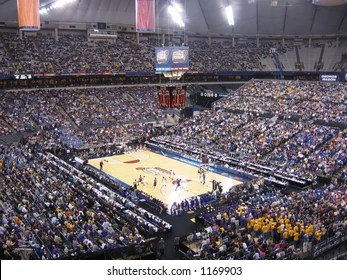
It all went down in the RCA Dome (just typing the name of that now demolished stadium, is already filling me with nostalgia). It was in Indianapolis, just as it is again, 20 years after the date in question. The first team to punch their ticket were the Florida Gators. They were a 3-seed making only their 3rd Final Four appearance in program history. They were led by their still fairly young head coach Billy Donovan. They had never won a national championship but, as we know, that was about to change very quickly. The second team in was 2-seeded UCLA. They were taking part in their 16th Final Four, and represented the old guard, the kings of college basketball in yesteryear. Then there was LSU, the second SEC team in Indy. They were making their 4th all-time appearance and their first in 20 years. Louisiana State University was somewhat of an underdog themselves, a 4-seed that not many people had making it this far in their brackets.
To sum it all up, these three teams were somewhat surprising entrants in the national semifinals. None of them were seriously considered to win the national title when the season tipped off in early November. Yet, here they were in early April competing to win a very coveted prize. However, this fact is extremely lost to history because of the fourth team in Indiana. A team that not a soul in this country ever dreamt would have even sniffed the Final Four. A team seen as so insignificant that Vegas sportsbooks didn’t even make betting odds for them reach this stage, so we’ll never really know exactly how much of an underdog they were. A team that had zero NBA draft prospects, but a whole lot of heart and belief. This group of players was the George Mason Patriots, a Cinderella for whom midnight seemingly never came for.
George Mason University
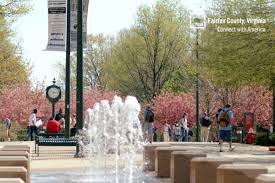
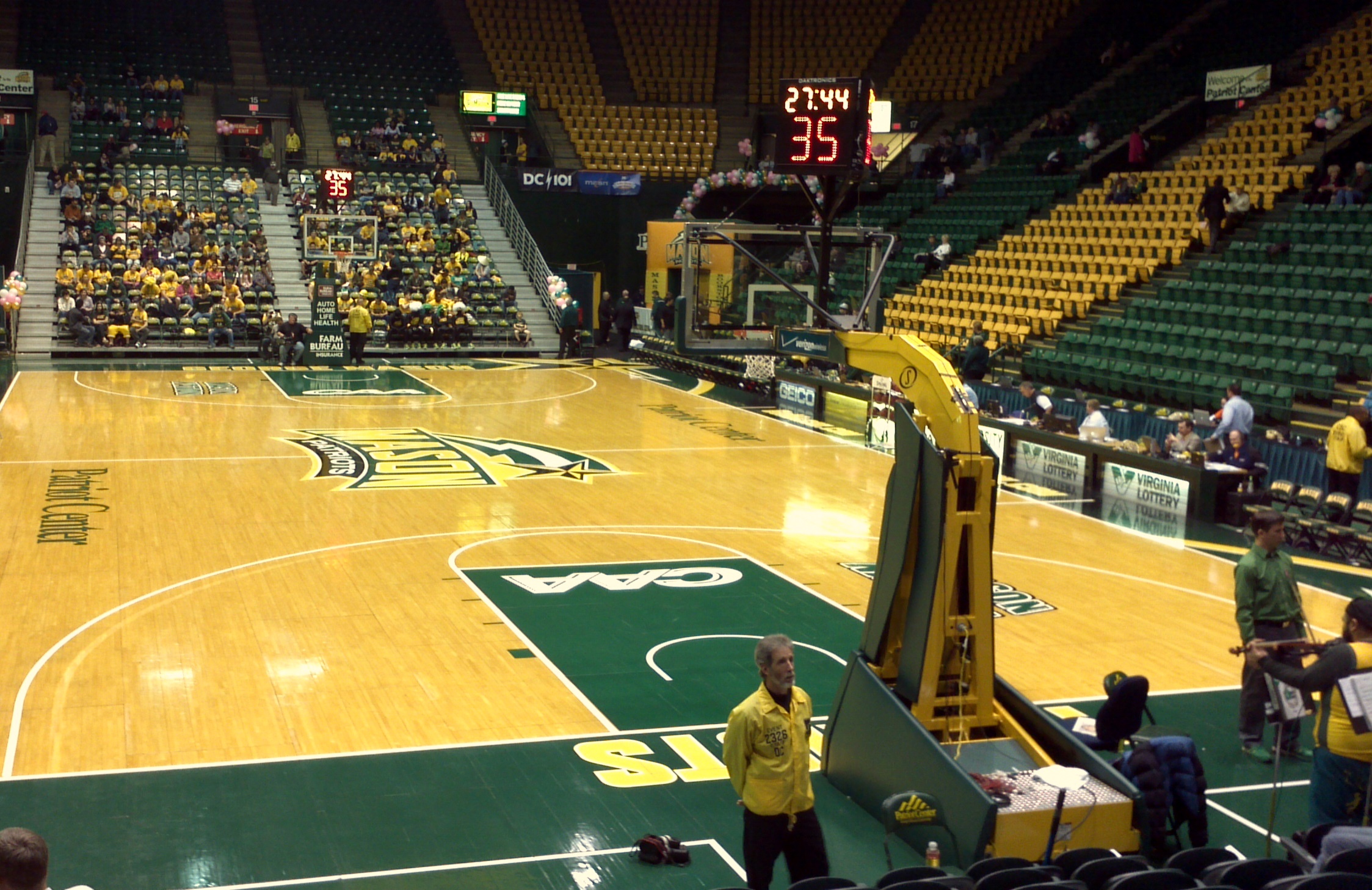
Before we get into their odds-defying run, let’s give some love to the actual college behind the famous men’s basketball team. George Mason is Virginia’s largest public research university. It’s considered fairly large with 28,000 undergrad students as of last year, comparable to LSU but less than Florida and UCLA. It currently has a 90 percent admission rate so, if you’re interested in attending, the chances of getting in are high. One of the reasons GM’s enrollment is so high is because it takes in many transfer students from the many community colleges that northern Virginia has. The Wall Street Journal ranks “Mason” as one of the top 50 universities in America and its Antonin Scalia Law School is also consistently classed as one of the top public ones of its kind. The school takes its name from a Virginia born founding father (hence its nickname “Patriots”) and only independently broke off from the University of Virginia about 50 years ago. George Mason is located in Fairfax County and its motto is “Freedom and Learning.” Honestly, it seems like a pretty solid University with a lot to offer a variety of students. I’m also a big fan of the campus (which I visited in 2015), and their home arena, the Patriot Center. Overall, George Mason the college seems underrated and a quietly good school. A descriptor that also could be used to discuss their 2005-2006 men’s basketball team.
‘05-’06: The Foundation
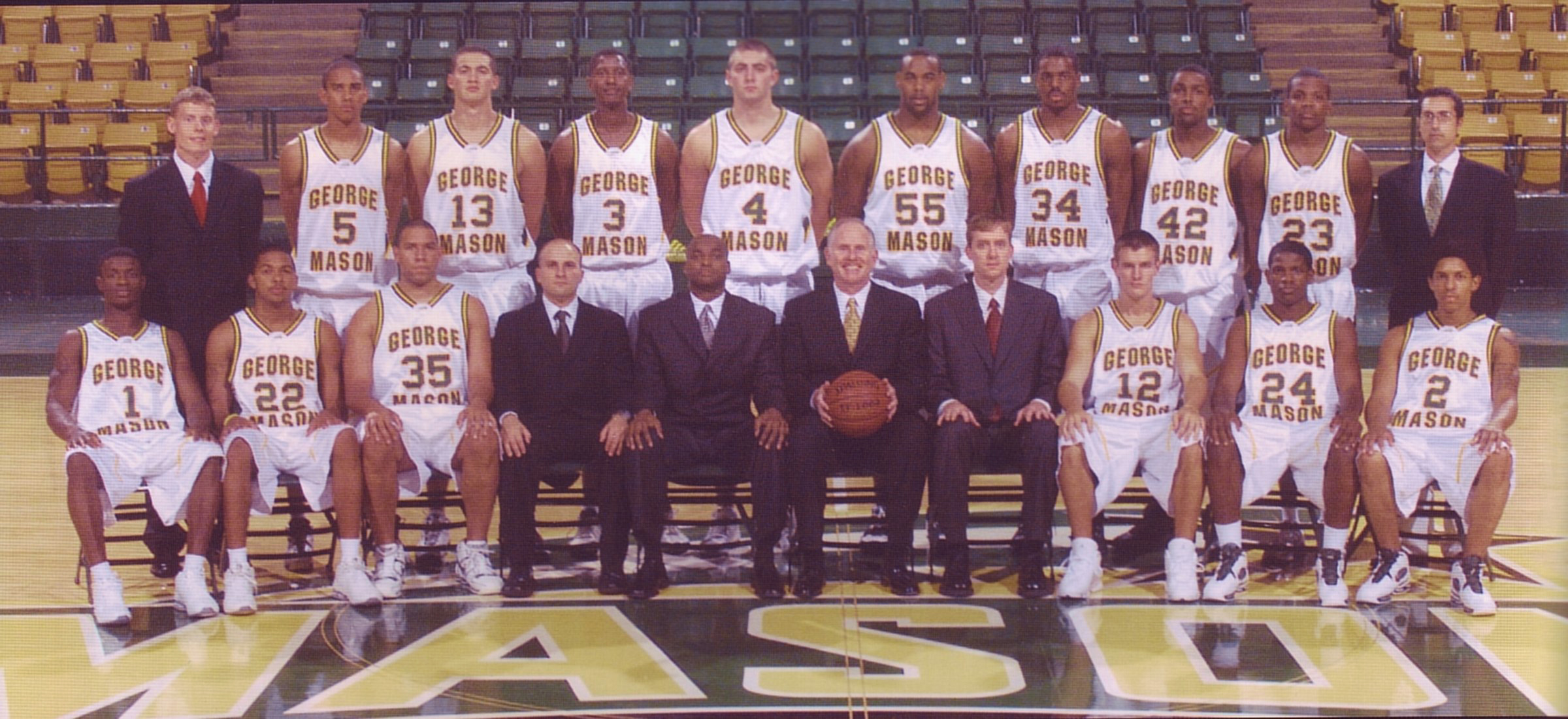
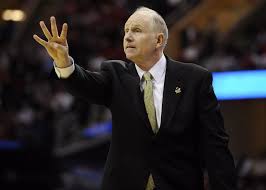
At the time, George Mason played in a conference called the Colonial Athletic Association (CAA). It was what many college basketball fans might call a “mid-major” conference, or a league that is not one of the “power” conferences in the country. A casual CBB fan would have never even heard of the CAA and it boasted no significant NBA players or prospects. In fact, no team from this conference had even advanced to the Sweet 16 before, much less two rounds later. GM was coached by Jim Larranaga, a Providence basketball icon who had come to Northern Virginia in 1997 after over a decade at the helm of Bowling Green. Prior to 2005, George Mason did have success under Larranaga’s leadership. They made the tournament in both 1999 and 2001 (winning the CAA championship both years) and were almost a perennial NIT participant. In other words, “Coach L” was building a program that was becoming more well known. Unfortunately, the 2004-2005 season was not one of GM’s stronger ones in that era. They went 16-13 overall and did not appear in a postseason tournament of any kind. However, the next year felt different and, I suspect, after a few more minutes of reading that you will agree that the ‘05-’06 Mason squad had the makings of a very potent team.
‘05-’06: The Regular Season
George Mason started out the year fielding an all-Maryland born starting five of Seniors Jai Lucas, Tony Skinn, and Lamar Butler. They were flanked by Sophomores Will Thomas and Folarin Campbell. This was a term that saw them win a school record 23 games and, in only his 9th season in the league, Jimmy Larranaga became the CAA’s all-time career leader in wins. They started out strong in non-conference play by taking the 18th ranked team in the nation, Wake Forest to overtime in the Coaches vs. Cancer Classic (I miss that early season competition). They then handly beat Creighton in their home opener 72-52, as well as most other out of conference opponents. They drubbed Holy Cross 71-38 and beat local rivals American at the Verizon Center, Washington, DC’s 20,000 seat arena. Their winning run ended in late December when they fell to SEC school Mississippi State. However, they pretty much rolled through conference play too, beating schools like Manhattan College in New York and thrashing other CAA teams such as William and Mary, VCU, Northeastern, Delaware, and Towson. They went undefeated in CAA games at the Patriot Center and only lost road bouts to Old Dominion, UNC Wilmington, and Hofstra. GM even received a Top 25 ranking in early February before losing to Hofstra on Long Island. George Mason was getting national recognition for their stellar team, even if no one still regarded them among the game’s elites. However, a funny thing happened at the Richmond Coliseum.
‘05-’06: The CAA Tournament
The aforementioned Richmond, Virginia was the location for the 2006 installment of the CAA conference tournament. Mason was the number one seed going into the competition and the odds on favorite to take home the trophy and clinch an automatic bid to the NCAA Tournament. However, they narrowly escaped a weak Georgia State side in the quarterfinals, needing overtime to beat them. Then, the shock happened. Larranaga’s men lost to Hofstra once again in the tournament semifinals, eliminating them. No longer could George Mason waltz into the NCAA tournament systematically. That privilege belonged to the eventual champions UNC Wilmington. They were now at the mercy of the selection committee.
Now, we’ve recently witnessed pundits debate the validity of Miami (OH)’s NCAA tournament berth being a “mid-major” who didn’t win their conference tournament. Similar quarrels happened in 2006 surrounding George Mason. Should they be in? What about all the teams from power conferences that could beat them? Surely they’re not deserving? Well, it turns out that the selection committee (somewhat) had their back. GM received an at large bid to the big dance as an 11-seed. They were one of the final teams selected. There was no pomp, no circumstance, and very low expectations for a team that weren’t even champions of their own weak conference. The upstart Patriots, however, had other plans, and soon the entire country would know who they were and where they came from.
The “Magical” Tournament Run
Dayton, Ohio. That’s where George Mason’s first round game against the powerful 6 seeded Michigan State Spartans was located. Mason opened many eyes when they defeated Tom Izzo’s team 75-65. However, as always, the critics were aplenty. They insisted that the Spartans were in a rebuilding year and that GM didn’t beat a traditional MSU power. While, they may have made some decent points, this victory gave Coach L’s side confidence that they could win some very, very important games. Their second round matchup was also in Dayton against Roy Williams’ 3-seed North Carolina Tar Heels. UNC were the defending national champions and most expected them to roll over the Patriots.
Indeed, GM trailed for the majority of this contest, but recovered to tough it out in the end. They beat”Carolina” 65-60 with some clutch defense and rebounding at the end. However, the excuses still rained down. It was said that UNC themselves was having a down year and they simply went cold at the end of the game. In essence, it was felt that North Carolina lost the game more than George Mason actually won it. However, even though they had their critics, many people were taking note of the miracle team from Fairfax County. In the Sweet Sixteen, Mason faced off against another “mid-major” team that many also doubted, the 7-seed Wichita State Shockers. The venue for the game was the Verizon Center, very close to home for the Patriots and an arena they had already played in that year. George Mason impressed the world again by conquering the team from the Missouri Valley Conference by the score of 63-55. More excuses came in claiming that the Patriots had a very easy final sixteen matchup and many even said they hadn’t played a real team all-tournament.
Still, the beat rolled on to the regional championship or as it is better known: the Elite Eight. Here they met one- seeded Uconn, who were many analysts’ favorite to win the national title. Everyone, even some Mason fans assumed that this would be where the golden run would end. That, ultimately, Uconn’s shooting, rebounding, and toughness would be too much for the metro DC Cinderella to handle. How wrong those “experts’ turned out to be. One of the greatest NCAA tournament games ever played ensued and included action such as comebacks and a missed Uconn buzzer beater to end the game (unlike this year). In the end, the now famous underdogs triumphed again, 86-84 in overtime. Any description could never do this game justice so, if you’re interested, there are many video packages on Youtube where one can watch the final few minutes of the game and really sense the palpable drama at the Verizon Center.
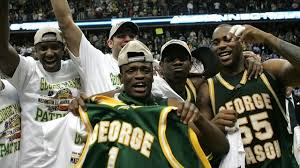
After this contest, there were no excuses, no prognosticators, and no doubting the grit of George Mason. Jimmy Larranaga’s “mid-major” was now a Final Four team. They were the first team from the CAA to make the final weekend of the tournament and just the second 11-seed in history to be there (1986 LSU). Basically, the Patriots were the original Cinderella of the modern college basketball era. Commentator Verne Lundquist’s exclamation “By George, the dream is still alive” is now famed. Incredible things here in March of 2006.
In their Final Four game, GM faced off against Florida. It was here, on April Fool’s Day, that they finally ran out of gas, beaten by the Gators 73-58. To finally be ousted by a team that would go on to win two consecutive national championships isn’t a bad fate to befall a team on this storied run.
Final Thoughts
I know I’ve used the word nostalgia a lot. However, that’s the prevailing feeling in me as I type this blog post. While many late millennial children were enamored with the brand new tv show Hannah Montana in March of 2006, others, like myself, fell in love with the most unlikely NCAA tournament run of the era. The entire sports watching nation followed suit in their appreciation for the underdogs of northern Virginia. As for Larranaga, he went on to take the head coaching job at the University of Miami (FL) in 2011 and had several successful teams there, including reaching the Final Four again in 2023. However, the squad he will forever be linked with in history is the ‘06 Patriots. George Mason’s incredible run paved the way for other future schools from outside the power conferences to reach the Final Four, including VCU in 2011 and Florida Atlantic twelve years later.
Perhaps Coach L had a soft spot for the FAU Owls when he shared facilities with them at the 2023 Final Four, seeing a team similar to what he had built 17 years before. To put a bow on things, the 2005-2006 George Mason men’s basketball team was one in a million. A great team with five players averaging double figures and a strong defense. Yet, because of the conference they played in, they were overlooked and doubted from the beginning, eventually achieving the satisfaction of proving every “expert” wrong. The significance of their team and their story lives on 20 years later.
 Yankee In Exile
Leave a comment