
The Cold War
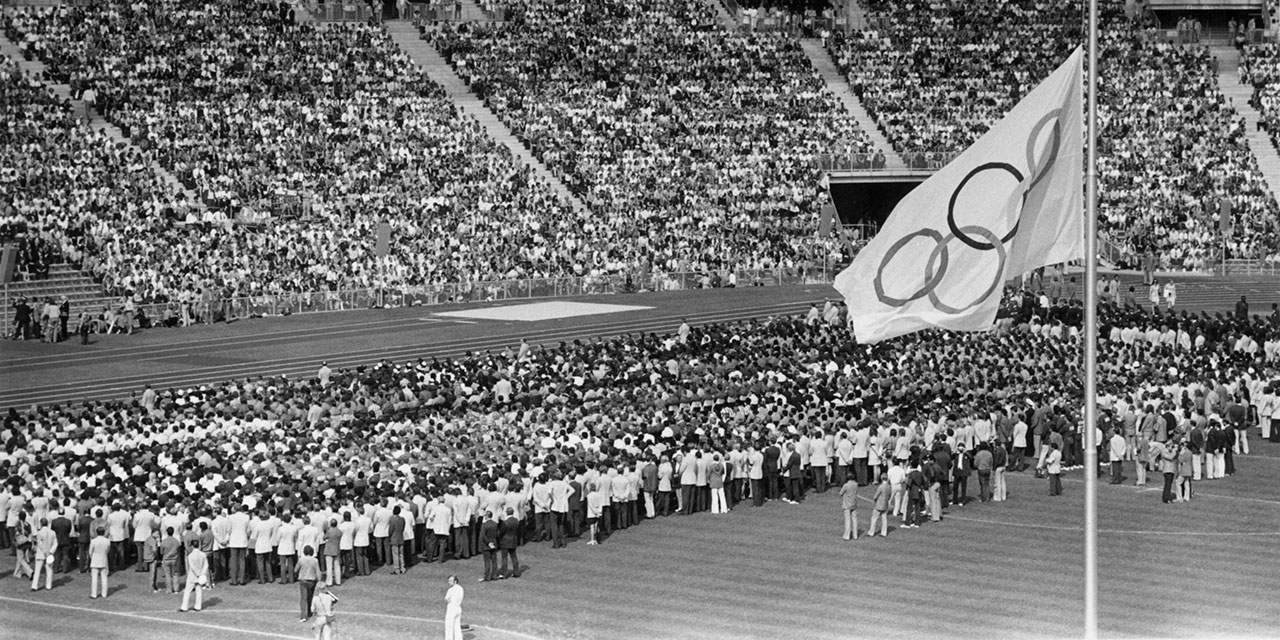
For those of us who weren’t paying attention in history class, the Cold War was never really an official “war.” It was more like the US and the Soviet Union (USSR) competing over influence with the rest of the world. These were the two most powerful countries to come out of the second World War, but on paper, they couldn’t be more different. America was a capitalist country while Russia practiced communism. We elected our presidents through a democratic process. The Soviet Premiers, on the other hand, came to power through a series of behind the scenes political struggles that involved no input from the Russian people. The USA represented the Western world, while the USSR, to many, was a symbol of the East. I could continue but, by now, I think you get the picture I am trying to paint: these were two countries with major ideological and cultural differences. The two nations squared off against each other in many circles including a build up of nuclear arms and a race to get into space. However, there was also another arena in which both lands desired to dominate: The Olympics.
USSR Dominance in Hockey
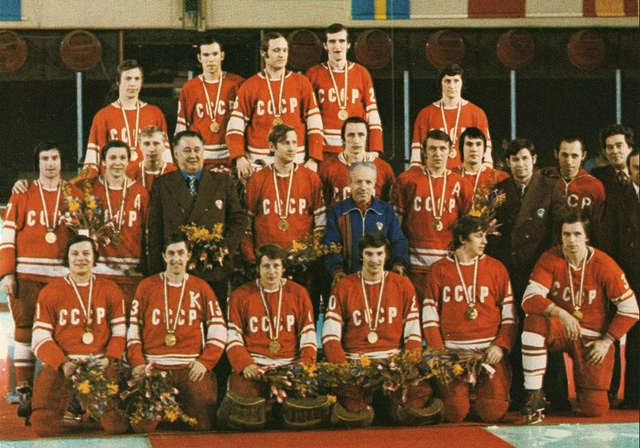
Adults from a certain generation will remember the Soviet Union having the very best national hockey team in the world with absolutely no exceptions. The “Red Machine” won gold medals in 1956, 1964, 1968, and 1972 (with many more to come after that). Why didn’t the Russian hockey team win any gold prior to 1956? Well, that Olympics in Cortina d’Ampezzo, Italy was the first one in which they fielded such a team. In other words, up until 1972 (and beyond), the Russian hockey team took home the top Olympic honors the majority of years. All except one…….In 1960, the USA did the unthinkable. In an Olympiad hosted in California, they managed to pry the top spot from the grips of the USSR. They even beat the Soviets 3-2 en route to the gold on their home soil. Russia, for once, had to settle for Bronze. This was something that bothered them for a very long time. Despite this blip, Soviet hockey dominance remained legendary. There was no way another Olympic team in any sport could ever eclipse their superiority. Or could there have been?
USA Dominance in Basketball
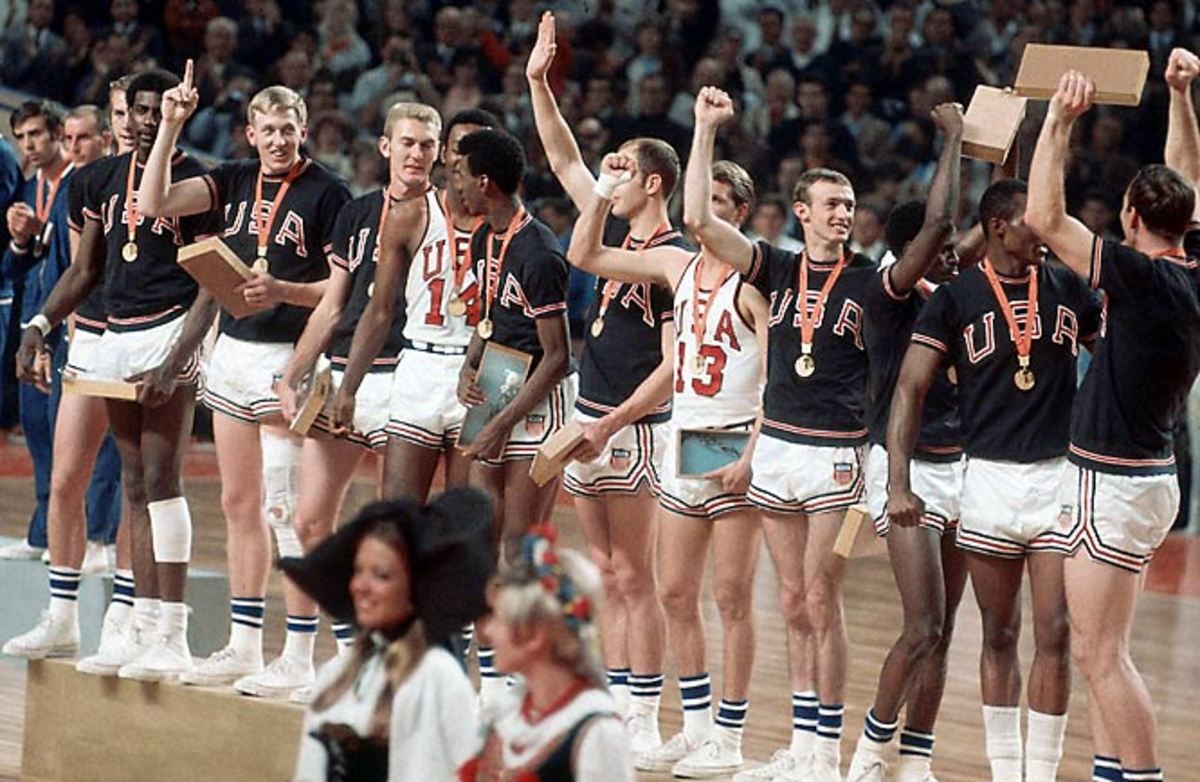
The way in which the Americans controlled the Olympic basketball court was even more impressive than what the Soviets were doing in hockey. The first Olympics to feature the sport of basketball was in Nazi Germany in 1936. The United States men’s basketball team won the top prize at that tournament and never really looked back. Warning: The following stats might really amaze you! The games were put on hold for twelve years due to the fallout from World War II. However, when they returned in 1948 from London, the USA didn’t skip a beat, winning the gold yet again. The Americans also were the top team in 1952 Helsinki, 1956 Melbourne…. 1960 Rome……. 1964 Tokyo………… And…… 1968 Mexico City. Yep, team USA won the gold medal in basketball in the first seven Olympics it featured as a sport in. What’s more, they never even lost a GAME in all of that time. 36 years, 7 gold medals, and an almost 60 game winning streak.
Star players over the years were a mix of forgotten names like Joe Fortenberry, Alex Groza, Jerry Shipp, and Warren Womble, and future legends such as Bill Russel, Oscar Robertson, and Jerry West. Different names, same result. Won every game. Gold every four years. Needless to say, the Soviet Union dreamed of knocking them off in basketball, the same way the US stunned their own team in 1960 hockey……..
1972 Olympics: The Circumstances
The 1972 Olympiad, hosted in Munich, West Germany marked the first time the Germans had hosted the games since the aforementioned 1936 version. The decision to award Munchen the event was controversial, as many were ashamed that Hitler, himself, had presided over the contest 36 years earlier. The discussed Cold War also raised tensions, as communist East Germany (and many other nations with Soviet-style leadership) were located very close to the West German metropolis. To add to all of this, a debacle ten days before the previous event in Mexico City, in which hundreds of students were shot and killed by government agents, put the International Olympic Committee (IOC) under immense scrutiny over their selection of host countries in general. 1972 needed to be the year without any negative publicity and devoid of any tragedies. The world yearned for these games to symbolize growth in humane practices, civil order, and positive relations between countries. Unfortunately, that reality was not to be.
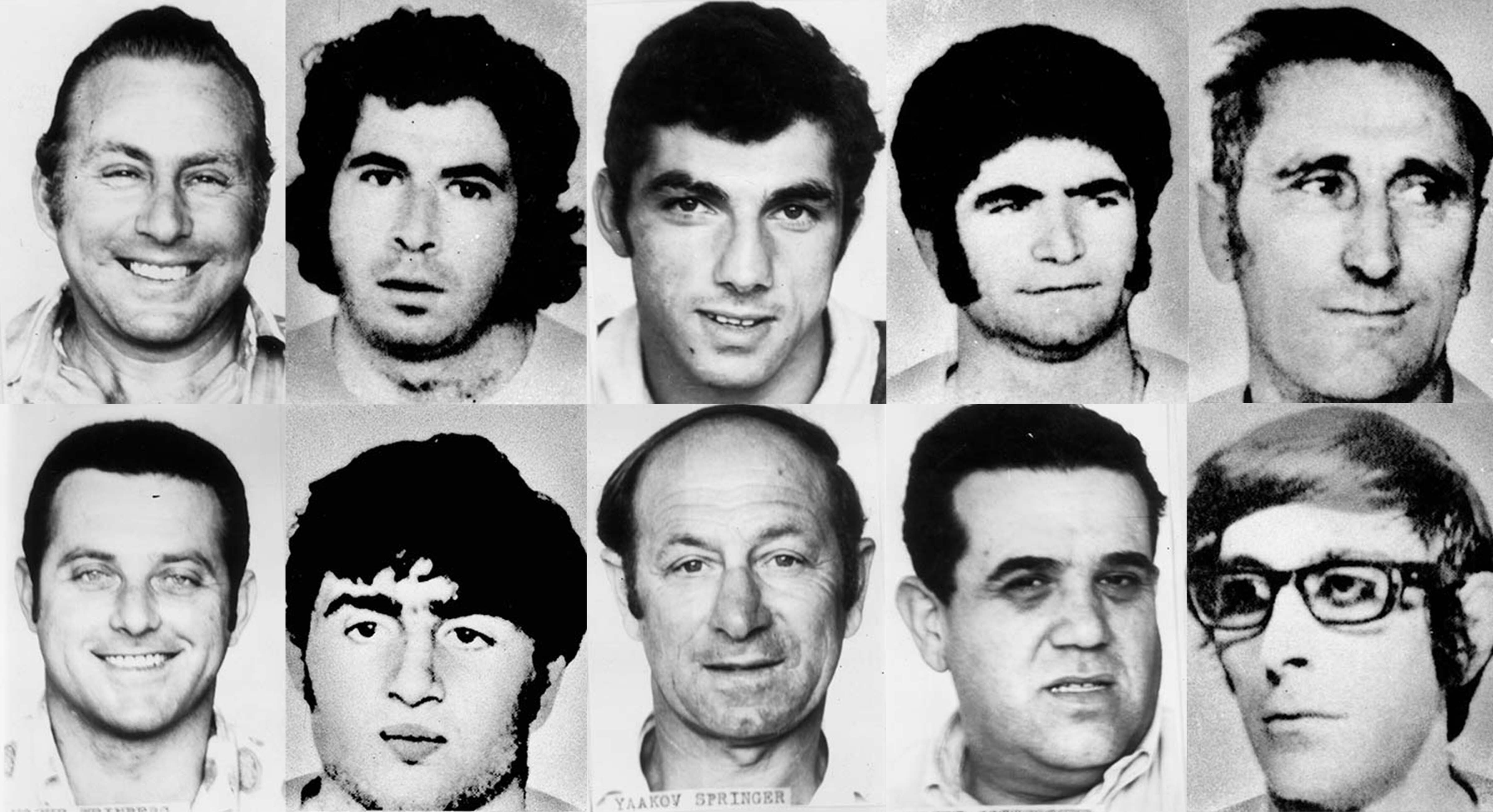
1972 Olympics: The Tragedy
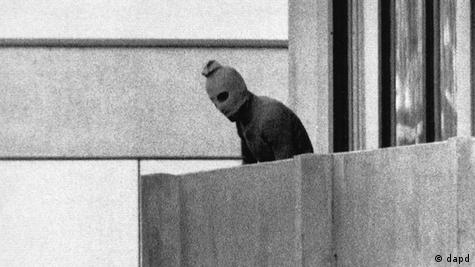
For the first week, proceedings went ahead as normal without any real controversies. Then, in the early morning of September 5th, the catastrophe struck. Eight Palestinian militants, part of the group “Black September” disguised themselves as athletes, stole keys, and entered the part of the village which housed the Israeli olympians. The latter athletes were sound asleep after a night out enjoying the popular play “Fiddler on the Roof”, when their flat was invaded. Some escaped, and one wrestling coach and weightlifter were shot and killed trying to prevent the danger. The remaining nine Olympic athletes were taken hostage by the Palestinians. Their demands? The release of 234 of their countrymen from Israeli prisons and a few others from jails in Germany. They also insisted upon being provided an airplane to transport them to a “safe” destination. TVs throughout the Olympic village and the world captured West German police as they desperately attempted to negotiate with the kidnappers. Then, later at night on September 5th, an agreement between the two sides seemed to have been reached. But West Germany was never planning to cede to the terrorists’ demands. Instead, they planned an ambush.
Without going into all the grisly details, let’s just say the ambush failed monumentally. Police opened fire as “Black September” members were boarding a plane. This did lead to all but three militants being killed and the rest being captured. The problem was the authorities’ actions also caused the Palestinian group to murder all nine hostages. In total, eleven innocent Israeli Olympians were killed. It remains to this day the biggest tragedy in the history of the modern Olympiad. Immediately following this event, calls to cancel the rest of the games could be heard loud and clear by many countries. Ultimately, after a 34-hour pause in activities, IOC chairman Avery Brundage (an American) decided that the event must go on. This was done primarily to send a message that, through hardship, the world carried on. As US basketball captain Kenny Davis later said: “If they had asked us, ‘Do you want to go home now and forget this whole thing?’ I think everybody on our team would have said ‘Yes, let’s go.’ But looking back on it, I think they did the right thing.”
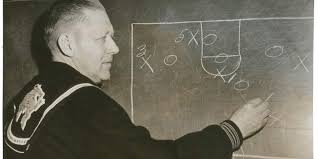
Restart of the Olympiad
So, on September 7th, the most famous sporting event in the world continued. Nothing could ever eclipse or erase the sorrow from the Munich Hostage Crisis, but the athletes and their coaches tried to move on. True to form, the two most powerful countries in the world were the ones that went on to have the most memorable results. American swimmer Mark Spitz won seven golds and Soviet gymnast Olga Korbut won four total medals (3 gold and one silver). Then, came the grand finale. The last contest before the closing ceremonies (as it still is today) was the men’s basketball gold medal game. The finalists just so happened to be the Soviet Union and the USA (with an unbeaten run now extended to 63 games). The matchup began very late on September 9th and continued well into the wee hours of the September 10th morning…..
The Game In Question
After an uneventful first half, the controversy really began to pick up after halftime. A key American player, Dwight Jones, was ejected (along with a player from the Soviet side) during a dust up involving a loose ball. To make things worse, US star Jim Brewer also had to exit the contest with a concussion he sustained during a jump ball. Partly due to this bad luck, head coach Henry Iba (who had guided the national team to gold both in 1964 and 1968), found his team down by 8 with approximately 5 minutes left. For the first time, it appeared as if the US men’s team might be defeated in an Olympic game. However, a rally pulled the game to within one, when, with three seconds left, Illinois State’s Doug Collins was fouled going up for a shot.
Now, what happened next is the subject of much debate and is still disputed to this day. While ABC did produce a high quality telecast of the game, their cameras weren’t everywhere so, even looking back at the footage can leave more questions than answers. After hitting the first freebee, the horn on the game clock unexpectedly went off as Collins was taking the second. The officials chalked this up to a timer delay and Collins made the attempt anyway. However, this little discussed fact sometimes gets lost in the account of the game. Anyway, the US now led 50-49 with 3 seconds left. The Soviets inbounded the ball, immediately dribbled into a trap, and looked in no position to score when, incredibly, the referees stopped the clock with 1 second left. The reason for this was that a Soviet coach (either head coach Vladimir Kondrashin or an assistant coach depending on the story) called for a timeout during Collins’ free throws which went ungranted. So, the game officials decided , in the middle of the final play and with merely a second left, that it would be an appropriate time to allow it to happen. In addition to the timeout, the game clock was set back to 3 seconds. Essentially, the Soviets were given a do-over.
With the proceedings reset, again, the Russians failed to score with their allotted time. This time it seemed like the USA had truly won another gold medal and kept their winning streak intact. However, because of the missed timeout and due to the many clock malfunctions that plagued the final few seconds, R. William Jones, the secretary general of the IBA (International Basketball Association) ordered the clock back to three seconds and the game to be restarted again. Yes, the Soviet Union was given a third chance by someone that many believe had no authority to make the decision that he did. Well, as many know, the third try was, in fact, the charm. A lob, a layup, a gold medal for the USSR, and end to the US’s winning streak. Damn.

The Fallout
After the game, R. William Jones stated: “The Americans have to learn how to lose, even when they think they’re right.” And boy did the USA folk believe they were, in fact, right and had been robbed of gold. They issued a formal complaint, but a special commission ruled three votes to two that the result of the contest should hold up. The controversy even sparked a short CIA investigation into the matter. This led to unconfirmed rumors of Jones being a Soviet sympathizer (maybe a little truth to it?), bribed referees, and that all three of the aforementioned voters were from Eastern Bloc countries. None of these stories were ever proven to be true. The fact still remained, however, that the end of the game was very poorly officiated. It is because of this that, to this day, the Americans have never formally accepted their silver medals. They boycotted the medal ceremony in 1972 and, currently, the prizes sit untouched in the Olympic vault.
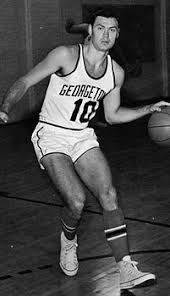
USA captain Kenny Davis, a kid from tiny Georgetown College (no, not the Hoyas) in Kentucky, led the initiative to turn down the honors. Even one of the game’s referees, Brazilian Renato Righeppo, refused to sign the official box score that certified the Soviet’s victory. In addition to the weird finish, Team USA has always asserted that the entire game was called horrendously, with unwhistled fouls and many clock mishaps. Davis and teammate Tommy Henderson even have it written in their wills that no member of their family is ever to accept their second place awards. What’s also very interesting was that in 2017 a film about the game was released in Russia. It was called “Going Vertical” and celebrated the 1972 Soviet team in the same miraculous way that we, as Americans, honor our 1980 hockey team and the upset they achieved. I suppose it’s all a matter of perspective.
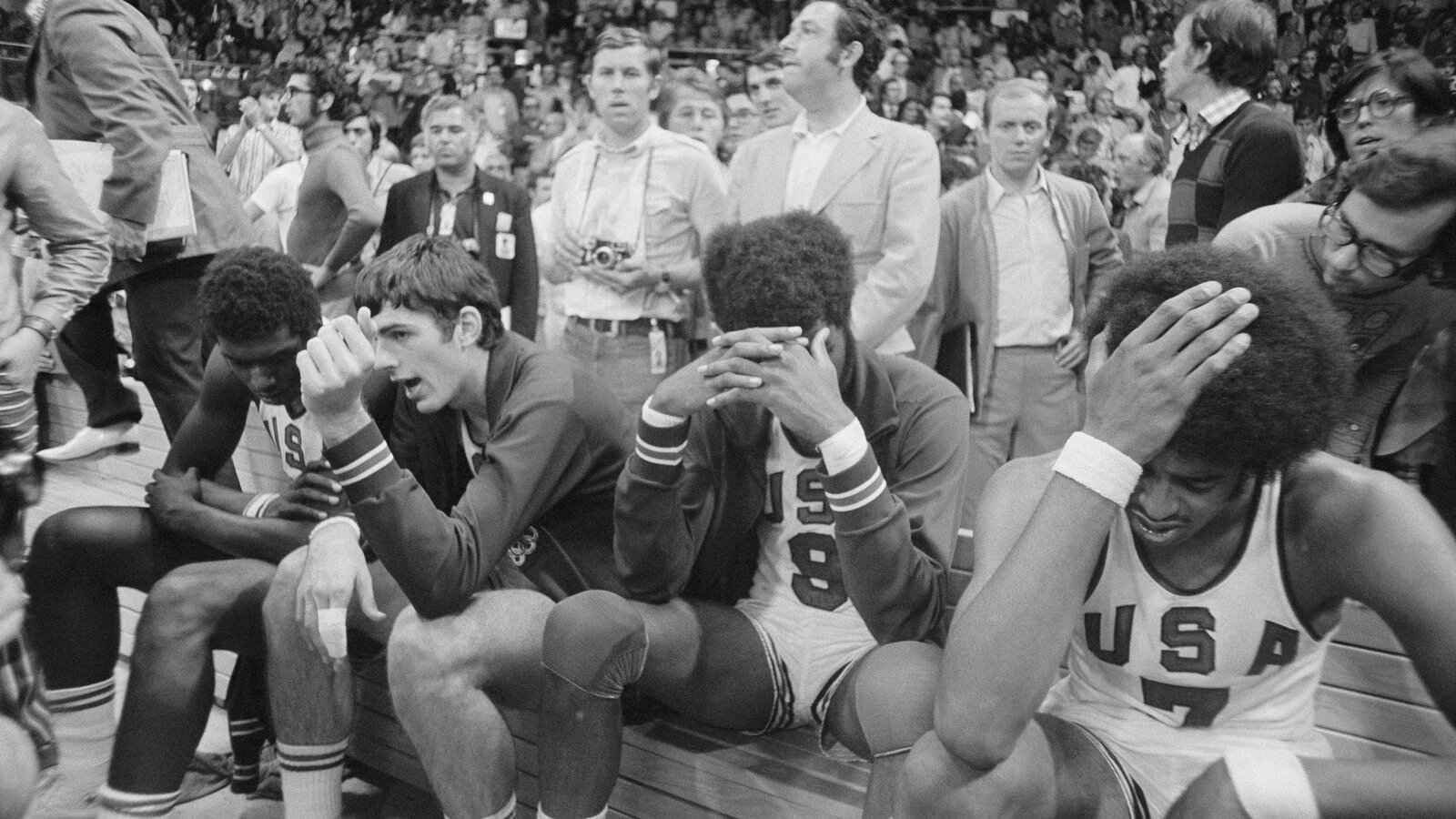
Conclusion
Watching strung together clips of the game, I can see why the US team would have refused to accept their medals. Never in that high magnitude of a basketball game had anything like that ever happened before or since. While it might not have been the correct call to deny the USSR a timeout, the two restarts made the contest feel very out of sync. My suggestion is that the entire matchup should have been replayed, either the next day or a couple of days later. I know that many readers may roll their eyes at me saying this, but I think it would have been the only way to really sort out the disaster that was the final “three” seconds.
Perhaps, though, in discussing the finish at length, many of us miss the real disparity. Most of the Russian team was composed of professional basketball players that were much older than the Americans (who fielded their youngest team ever in 1972). The USSR was able to get around FIBA’s (International Basketball Federation) ban on pro athletes in the Olympics because their basketball players were paid by the state and not by a sports team with an independent owner. This “exception” gave a clear advantage to communist countries because it allowed them to field the very best basketball players they had to offer. Even though many members of Team USA in 1972 went on to be future first round NBA draft picks, were they really the best hoops stars our country boasted?
Imagine the likes of Wilt Chamberlain, Willis Reed, and Kareem Abdul-Jabbar suiting up instead of these college players. Even past Olympic stars like Oscar Robertson and Jerry West would have received another chance to play for Team USA under this model. And if the Russians had to encounter a team full of those players, the contest would have been over by halftime. FIBA finally changed their rules ahead of the 1992 Olympics (after USA collegiate stars lost to Soviet professionals again in 1988) to allow professional players from each country to compete. This opened the door for 1992’s “Dream Team.”
Overall, the 1972 gold medal basketball game was symbolic of the Munich Olympics as a whole. Good intentions, poor decisions by officials, and years long grievances coming to the surface. Ultimately, through these games we learned that, even though the world had made progress since the second World War, tensions within the Middle East, in Europe, and between the United States and Soviet Union still remained. The Cold War was raging on and was showing no signs of slowing down. Europe was fractured and torn apart by differences in political ideologies. Possibly most tragic though, was the conflict between Israel and Palestine, exemplified in the hostage tragedy. As we all know, it still continues today.
The third and “final” successful Soviet possession.
 Yankee In Exile
Leave a comment